How To Answer Sequence Questions
Sequence questions ask you to order steps, name the next step or find where a proposed order first goes wrong. The dependency method rebuilds the order from what each step needs, with a worked GDPR breach example.

Sequence questions ask you to order steps, name the next step or find where a proposed order first goes wrong. The dependency method rebuilds the order from what each step needs, with a worked GDPR breach example.
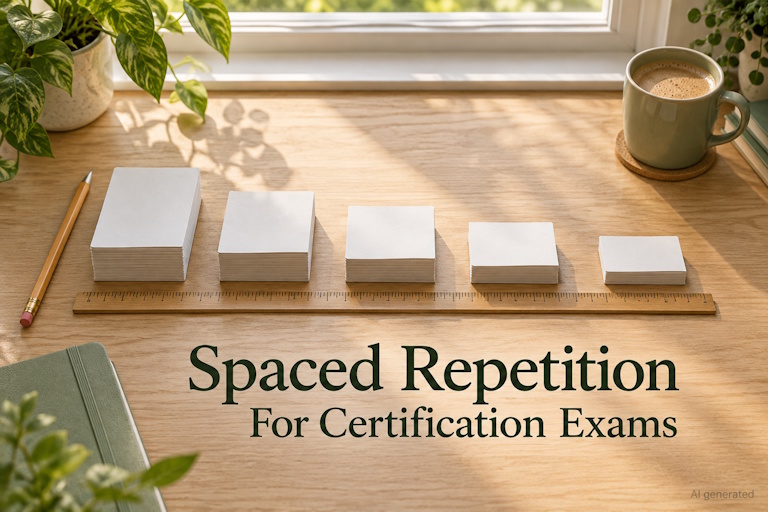
Spaced repetition means reviewing the same material at growing intervals. Here is what the research says about the gaps, how to plan reviews for an exam a month away and which IAPP topics need the shortest gaps.

The CIPP/E in 2026: what each of the five domains asks, where candidates lose marks, how long a beginner needs, and what four routes to readiness cost, with sources and dates.

AIGP study guide for 2026: the four domains, exam rules, books, practice exams and what four routes to readiness cost.

22Academy version 2 is days away. This is why it exists: a failed exam in 2017, an afternoon with ChatGPT in 2022, and the conviction that certification should not cost a month’s salary.
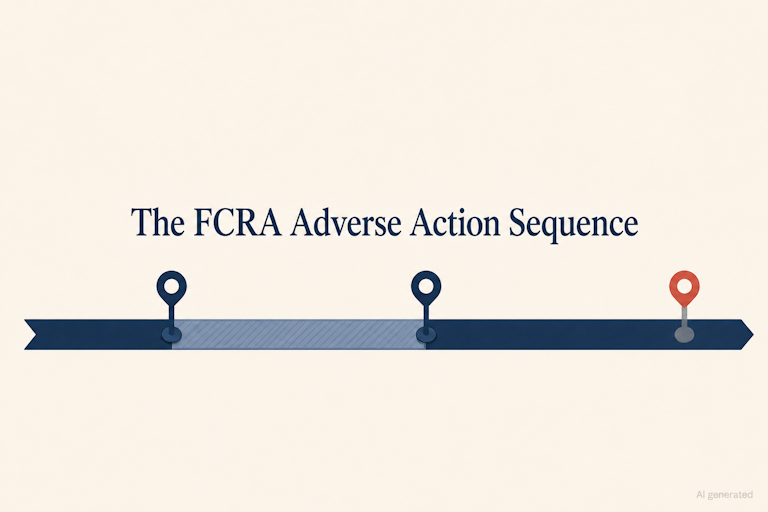
An employer who tells a candidate no before sending the report has broken the sequence. The FCRA adverse action steps, the standalone disclosure that precedes them, and the 2025 guidance withdrawals candidates keep missing.
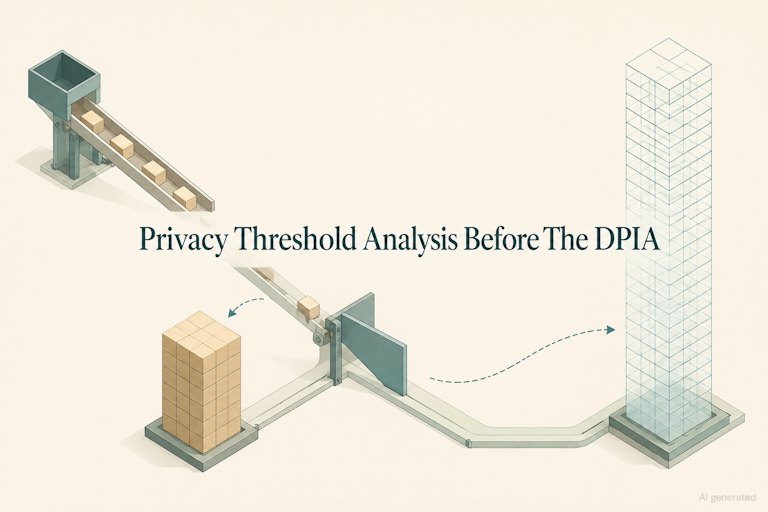
Most privacy programmes can show you their completed DPIAs. Far fewer can show why the other projects did not need one. The privacy threshold analysis is the instrument that answers that, and CIPM tests the sequence.

Deleting the key is faster than wiping the drive, and it fails silently when three conditions are not met. What NIST now says about cryptographic erasure, and how it meets a GDPR erasure request.

EU copyright law permits commercial mining of lawfully accessible works, and lets rightsholders switch that permission off. AIGP candidates need the mechanics of the reservation, and what Article 53 of the AI Act requires of model providers.
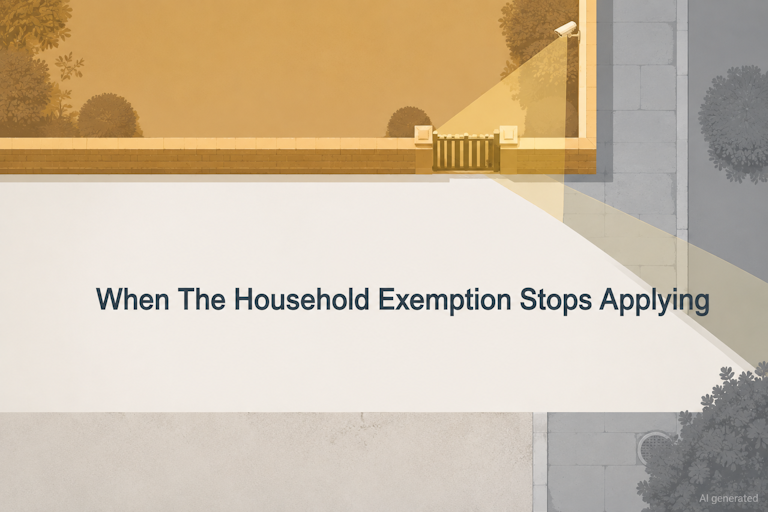
A doorbell camera that catches the pavement is doing something the GDPR governs. This is where the household exemption ends, what the CJEU decided in Rynes, and how CIPP/E frames the question.

A 1988 statute about video rental records now drives tracking pixel class actions. This piece sets out what the Video Privacy Protection Act says, why three circuits disagree about who is a VPPA consumer, and what the Supreme Court has been asked.
A buyer inherits the data, the promises made when it was collected and whatever was already going wrong. This piece works through what privacy due diligence has to find before a deal, and what the Marriott penalty says about the period after it.
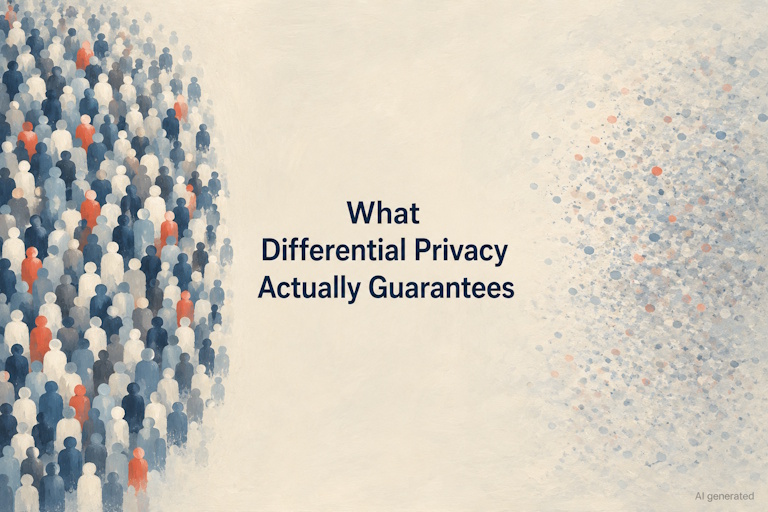
A claim to use differential privacy means nothing without two numbers. This piece explains what epsilon controls, why the privacy unit decides who is actually protected, and how the guarantee differs from de-identification.

Directive (EU) 2024/2853 makes software a product from 9 December 2026, so an AI system falls inside strict product liability. This piece covers what a claimant can recover, how the disclosure and presumption rules work, and what happens when a model keeps learning.
Article 18 lets a person park their data instead of deleting it. This piece sets out the four grounds for restriction of processing, what a restriction has to do inside a live system, and where it meets an objection under Article 21.
Rules only attach once you have classified the object. This is the definition question hiding inside IAPP scenarios, how to spot it before you read the options, and a five-minute drill that retrains the habit on questions you have already answered.

The exam sometimes asks you to find the wrong option, not the right one. These negative questions punish autopilot. Here is how to spot the flip word, score each option true or false and tell an odd-one-out question from a ranking one.
Certification distractors are usually true statements about the wrong moment. This method separates knowledge errors from stage errors, and turns each domain into a timeline you can read under exam pressure.
Some exam questions test whether you can apply a defined test in the right order, not just recall a fact. Here is how to spot these multi-step questions, run the test in order, dodge the distractor built to catch you and turn them into reliable marks.

You can spot the right rule, answer it cleanly, and still lose the mark to a second duty stacked underneath. This is the method that catches it: a three-step pause that turns a too-simple-looking stem into a checked one, before you ever read the options.