How to Prepare for the CIPM
The CIPM asks how you run a privacy programme. Here is what each of its six domains covers, how long a beginner needs, how the questions work and what four routes to readiness cost.


The CIPM asks how you run a privacy programme. Here is what each of its six domains covers, how long a beginner needs, how the questions work and what four routes to readiness cost.

Public, internal, confidential, restricted. Four labels, applied once, and nothing downstream changes. A federal standard shows the alternative: rate impact separately across three objectives, take the highest, and let that decide the controls.
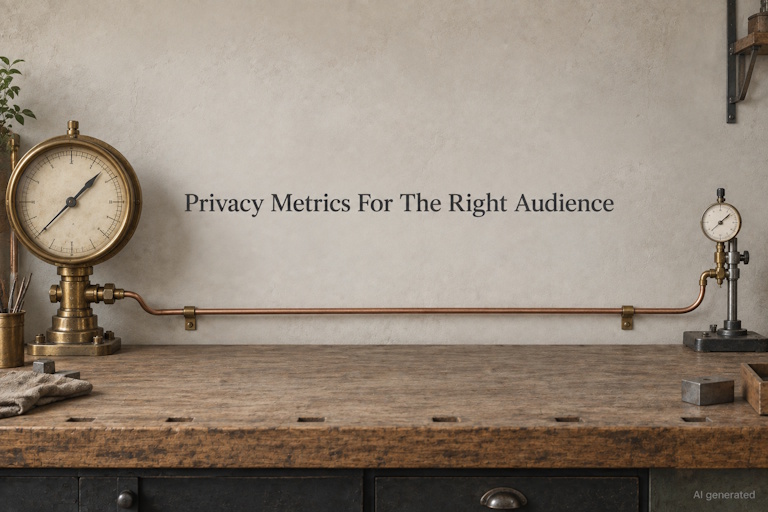
A board paper full of ticket volumes tells directors nothing. A team dashboard full of risk exposure tells staff nothing they can act on. This piece works through the three reporting tiers a regulator expects and which measure belongs at each.

A security incident and a personal data breach are different categories, and the difference decides whether a 72-hour clock starts. This article covers the subset relationship, awareness, phased notification and the breach register, with the CIPM exam angle throughout.
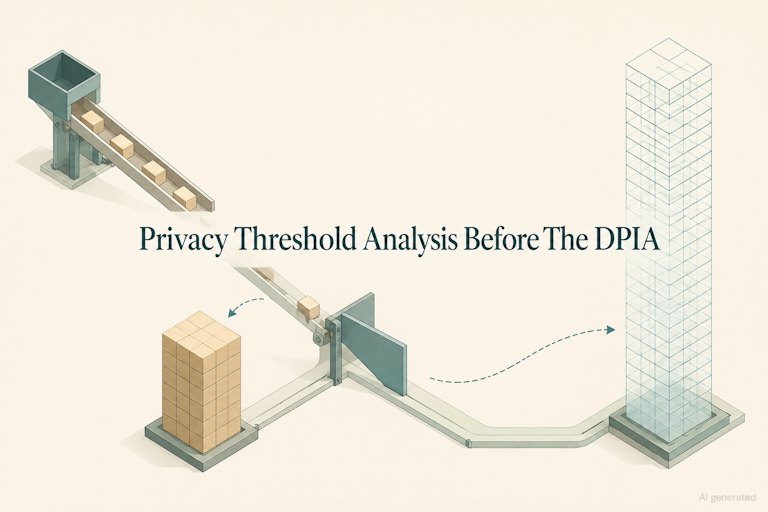
Most privacy programmes can show you their completed DPIAs. Far fewer can show why the other projects did not need one. The privacy threshold analysis is the instrument that answers that, and CIPM tests the sequence.
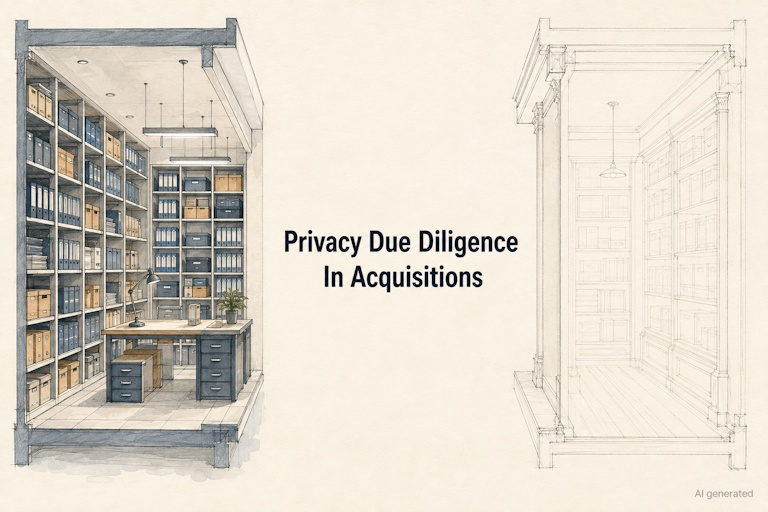
A buyer inherits the data, the promises made when it was collected and whatever was already going wrong. This piece works through what privacy due diligence has to find before a deal, and what the Marriott penalty says about the period after it.
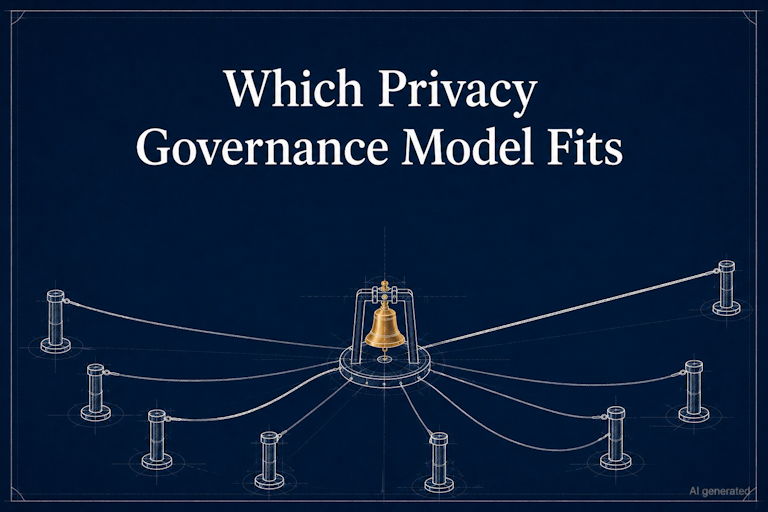
Centralised, local and hybrid are three answers to one question about where authority sits. What the business facts decide, what Article 37(2) and the DPO accessibility rule constrain, and why the rigorous-sounding answer is often the wrong one in a scenario.

The IAPP has announced no Body of Knowledge update for autumn 2026. The current versions for CIPP/E, CIPP/US, CIPM and CIPT, what changed in each, what the 90-day notice rule guarantees, and how to check which version you are holding.

A question can have four options that are all things a real organisation would do, for four different actors. Finding the right role before you read the options removes the near-misses that usually survive to the final two. Here is the habit, and a drill to build it.

Rules only attach once you have classified the object. This is the definition question hiding inside IAPP scenarios, how to spot it before you read the options, and a five-minute drill that retrains the habit on questions you have already answered.

The exam sometimes asks you to find the wrong option, not the right one. These negative questions punish autopilot. Here is how to spot the flip word, score each option true or false and tell an odd-one-out question from a ranking one.

Certification distractors are usually true statements about the wrong moment. This method separates knowledge errors from stage errors, and turns each domain into a timeline you can read under exam pressure.
Some exam questions test whether you can apply a defined test in the right order, not just recall a fact. Here is how to spot these multi-step questions, run the test in order, dodge the distractor built to catch you and turn them into reliable marks.

You can know the material cold and still miss the mark, because the answer often hides in one small word. This is the habit of spotting the qualifier words that decide a question, with a three-step reading method you can use on any IAPP paper.

You can spot the right rule, answer it cleanly, and still lose the mark to a second duty stacked underneath. This is the method that catches it: a three-step pause that turns a too-simple-looking stem into a checked one, before you ever read the options.

The final week before an IAPP exam is for consolidation, not new material. A calm seven-day routine built on retrieval, targeted repair, logistics and rest, with a note on why a rested reader scores higher.

The topics that feel urgent are rarely the ones that score. This guide explains why foundational domains carry the most reliable marks on any IAPP exam, how to separate exam-stable law from moving news, and a weekly breadth check so no domain goes cold.
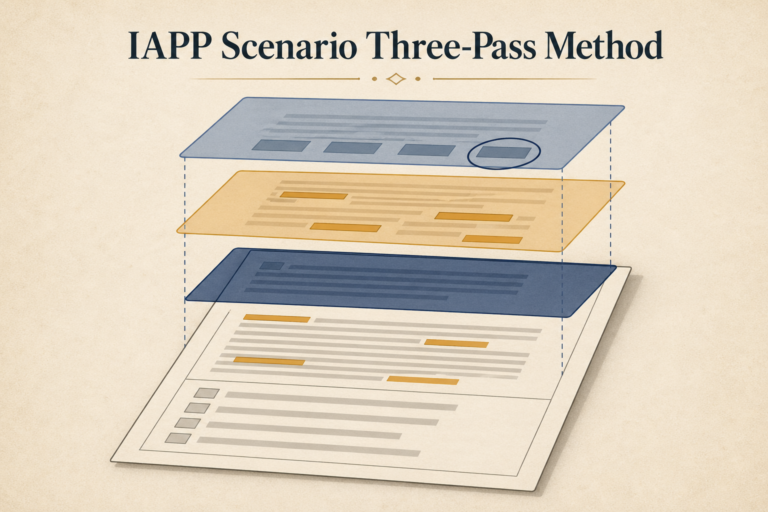
IAPP scenario questions punish candidates who read for facts before reading the question stem. The three-pass method, working stem first, body second and trap third, turns scenarios from random difficulty into a finite, repeatable skill any candidate can practise.
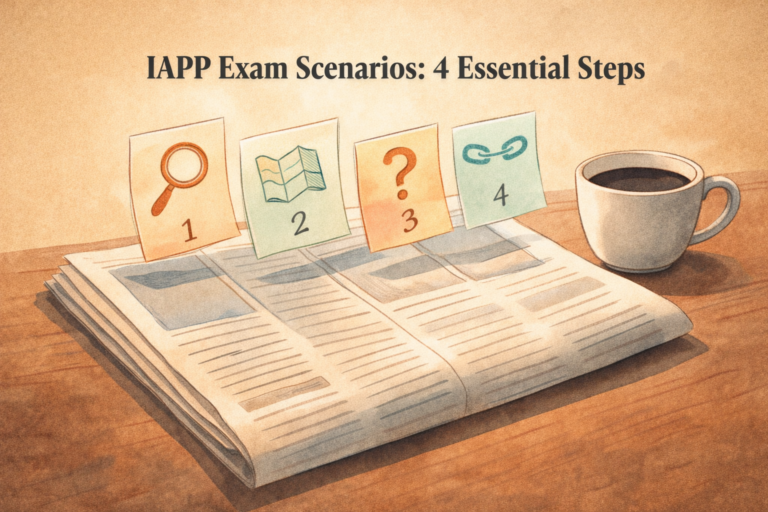
A four-step method for turning regulatory news into IAPP exam scenario practice. Works for any certification. Takes fifteen minutes per week.

Cross-border exam scenarios catch candidates who identify one legal framework and miss the second. A jurisdiction mapping method fixes that in fifteen seconds.