How to Prepare for the CIPP/US
Federal statutes, state laws and the FTC make the CIPP/US a broad exam. Here is what each domain asks, how long a beginner needs, how the questions work and what four routes to readiness cost.

Federal statutes, state laws and the FTC make the CIPP/US a broad exam. Here is what each domain asks, how long a beginner needs, how the questions work and what four routes to readiness cost.

A fitness tracker holds more health information than a dentist and answers to a different regulator. This piece sets out the three categories of covered entity, what makes a business associate, and which federal rule reaches the apps HIPAA never did.
Illinois gave individuals the right to sue over biometric data and set liquidated damages without requiring proof of injury. An August 2024 amendment capped repeated collections at a single recovery. This piece separates the duties from the remedy.

ECPA holds three regimes: the Wiretap Act for content in transit, the Stored Communications Act for content at rest and pen-register rules for metadata. This article maps each part to its legal process and shows the three questions CIPP/US scenarios reward.
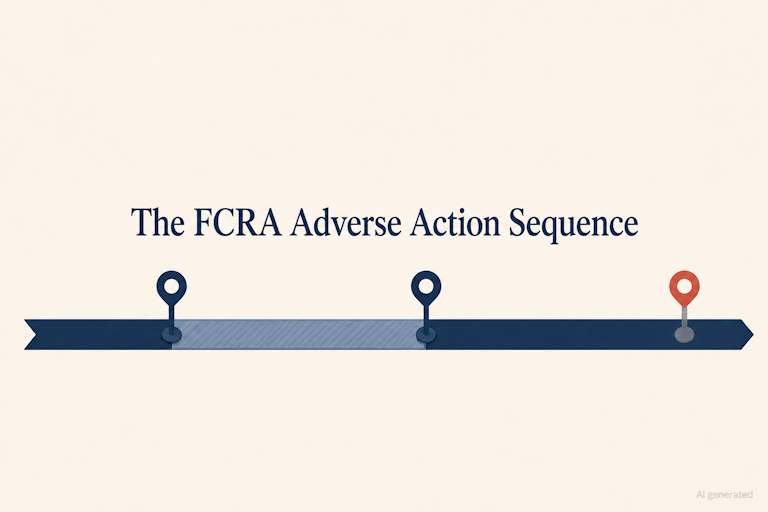
An employer who tells a candidate no before sending the report has broken the sequence. The FCRA adverse action steps, the standalone disclosure that precedes them, and the 2025 guidance withdrawals candidates keep missing.

A 1988 statute about video rental records now drives tracking pixel class actions. This piece sets out what the Video Privacy Protection Act says, why three circuits disagree about who is a VPPA consumer, and what the Supreme Court has been asked.
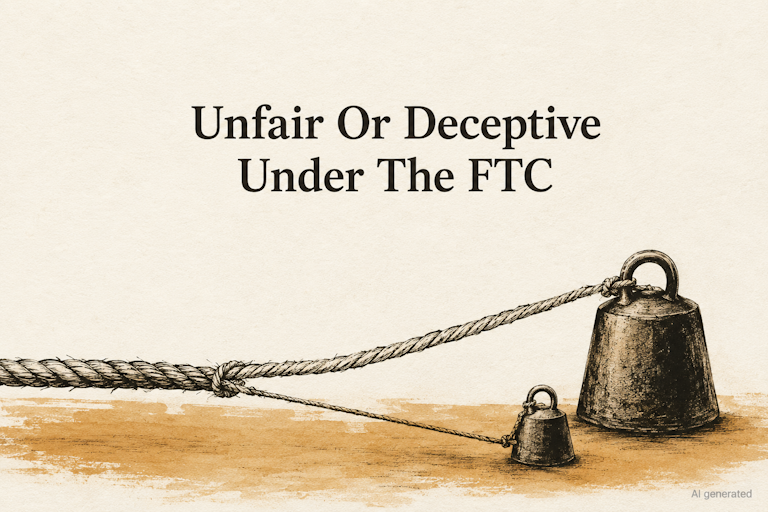
One statutory phrase carries two different tests with different elements and different evidence. The three parts of deception, the three parts of unfairness, why a broken privacy promise and a quiet security failure land on opposite sides, and how stems signal which one is in play.

The IAPP has announced no Body of Knowledge update for autumn 2026. The current versions for CIPP/E, CIPP/US, CIPM and CIPT, what changed in each, what the 90-day notice rule guarantees, and how to check which version you are holding.

A question can have four options that are all things a real organisation would do, for four different actors. Finding the right role before you read the options removes the near-misses that usually survive to the final two. Here is the habit, and a drill to build it.

Rules only attach once you have classified the object. This is the definition question hiding inside IAPP scenarios, how to spot it before you read the options, and a five-minute drill that retrains the habit on questions you have already answered.

You can spot the right rule, answer it cleanly, and still lose the mark to a second duty stacked underneath. This is the method that catches it: a three-step pause that turns a too-simple-looking stem into a checked one, before you ever read the options.
IAPP exams hide their marks in look-alike answers built to resemble the right one. Here is a calm, repeatable way to separate them: contrast before you choose, name the one deciding detail, and train the habit on confusable pairs well before exam day.

The final week before an IAPP exam is for consolidation, not new material. A calm seven-day routine built on retrieval, targeted repair, logistics and rest, with a note on why a rested reader scores higher.

The topics that feel urgent are rarely the ones that score. This guide explains why foundational domains carry the most reliable marks on any IAPP exam, how to separate exam-stable law from moving news, and a weekly breadth check so no domain goes cold.
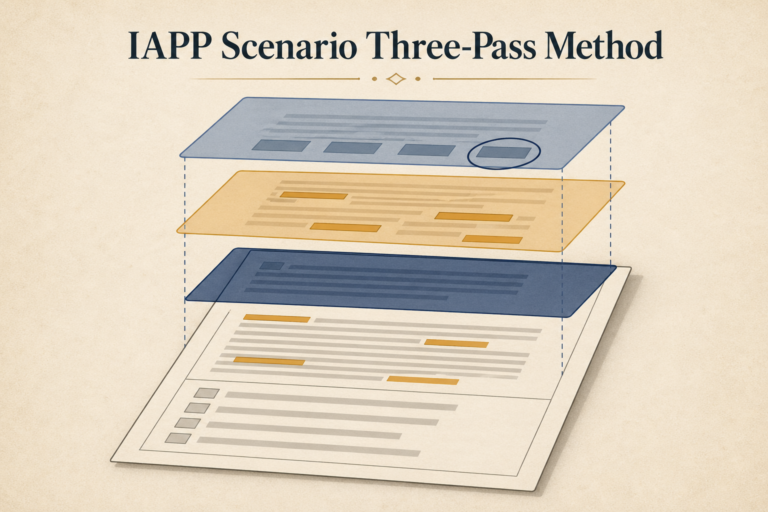
IAPP scenario questions punish candidates who read for facts before reading the question stem. The three-pass method, working stem first, body second and trap third, turns scenarios from random difficulty into a finite, repeatable skill any candidate can practise.
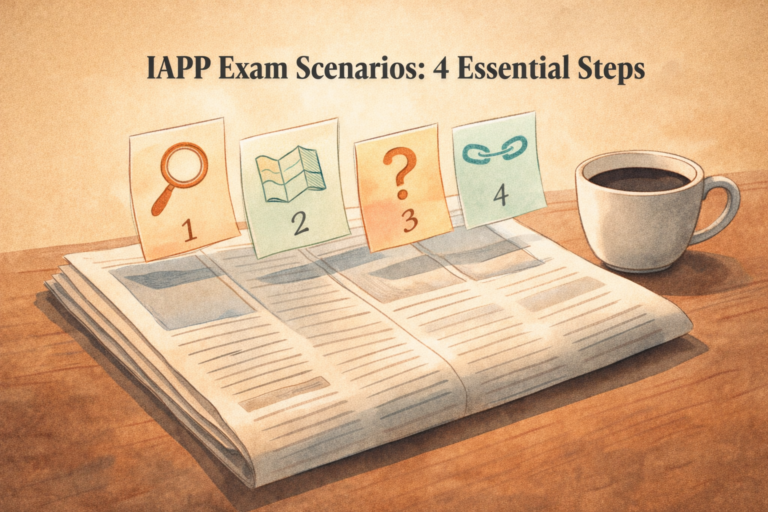
A four-step method for turning regulatory news into IAPP exam scenario practice. Works for any certification. Takes fifteen minutes per week.
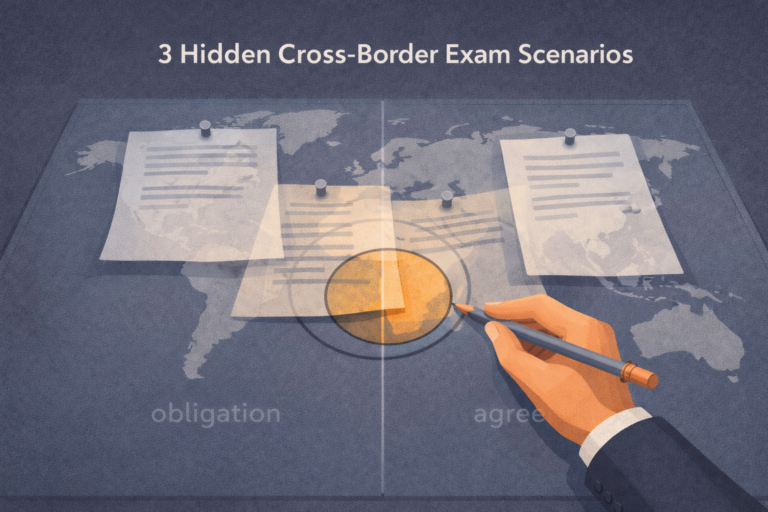
Cross-border exam scenarios catch candidates who identify one legal framework and miss the second. A jurisdiction mapping method fixes that in fifteen seconds.
Candidates who study the substance of a law but skip the status check will confidently answer questions about obligations that do not yet exist. One reasoning pause changes everything. Here is how to build it into your exam technique for CIPP/E and AIGP.

Studying on a budget is a challenge for many professionals pursuing certifications like CIPP/E, CIPM, or AIGP, especially in the privacy and data protection fields. As you may already know, certifications from the International Association of Privacy Professionals (IAPP) come with a significant financial commitment. Exam fees alone start at $550, and additional costs like…

The annual IAPP CIPP exam updates happen on October 2nd 2023. Here are the new topics you can expect to find on the exams