Ultimate CIPP/E Study Guide 2026
The CIPP/E in 2026: what each of the five domains asks, where candidates lose marks, how long a beginner needs, and what four routes to readiness cost, with sources and dates.

Most processor contracts copy the eight subparagraphs of the GDPR into a template and stop there. The regulator has said plainly that this fails. This piece covers what the contract must set out, what has to happen before it, and what continues afterwards.
An employee’s own phone holds work email and family photographs. European data protection law lets an employer protect its data on that phone, but not by scanning everything on it. This piece works through the lawful basis and the separation measures that decide the question.
Article 49 derogations allow international transfers without an adequacy decision or safeguards, under strict conditions. This article walks the hierarchy, the seven listed grounds and the residual compelling-interests route, then shows how CIPP/E scenario questions test each boundary.
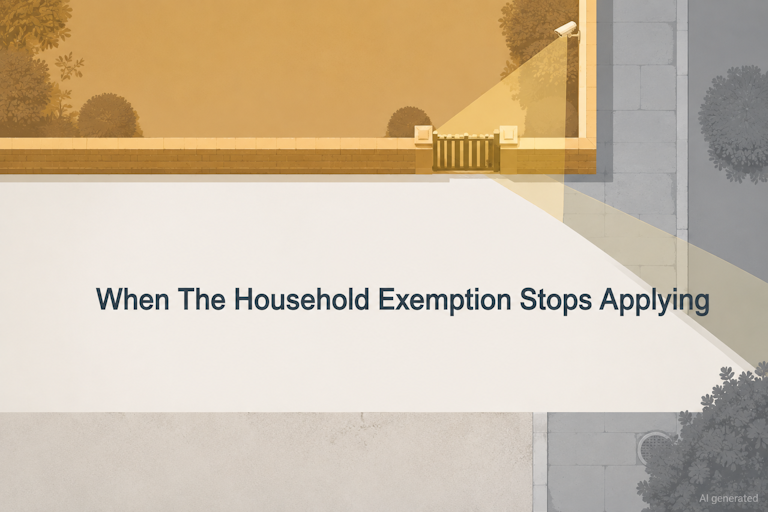
A doorbell camera that catches the pavement is doing something the GDPR governs. This is where the household exemption ends, what the CJEU decided in Rynes, and how CIPP/E frames the question.
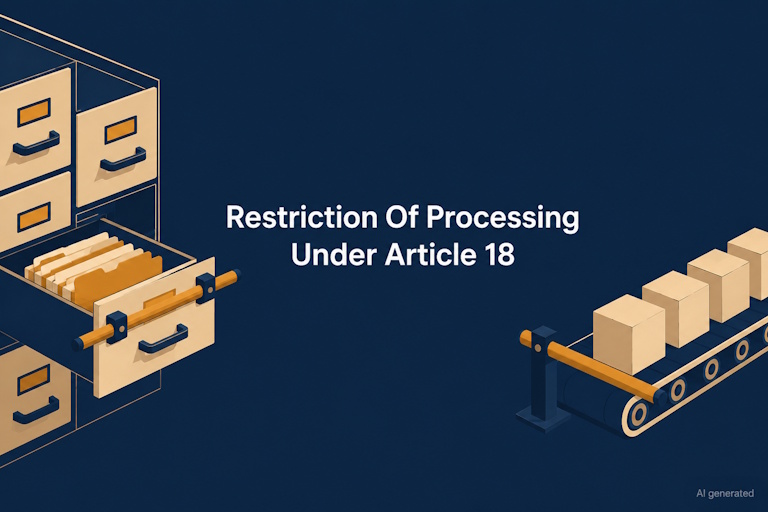
Article 18 lets a person park their data instead of deleting it. This piece sets out the four grounds for restriction of processing, what a restriction has to do inside a live system, and where it meets an objection under Article 21.
An organisation with no office, subsidiary or staff in Europe can still be fully bound by the GDPR. Article 3 settles that with two independent tests, and the representative obligation follows from only one of them. Where establishment ends and targeting begins, with the EDPB guidance that decides both.
The IAPP has announced no Body of Knowledge update for autumn 2026. The current versions for CIPP/E, CIPP/US, CIPM and CIPT, what changed in each, what the 90-day notice rule guarantees, and how to check which version you are holding.
A question can have four options that are all things a real organisation would do, for four different actors. Finding the right role before you read the options removes the near-misses that usually survive to the final two. Here is the habit, and a drill to build it.
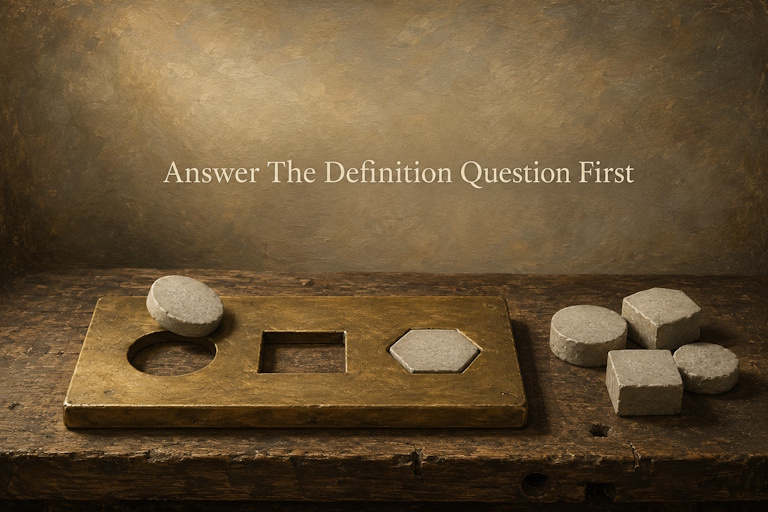
Rules only attach once you have classified the object. This is the definition question hiding inside IAPP scenarios, how to spot it before you read the options, and a five-minute drill that retrains the habit on questions you have already answered.
The exam sometimes asks you to find the wrong option, not the right one. These negative questions punish autopilot. Here is how to spot the flip word, score each option true or false and tell an odd-one-out question from a ranking one.
Certification distractors are usually true statements about the wrong moment. This method separates knowledge errors from stage errors, and turns each domain into a timeline you can read under exam pressure.
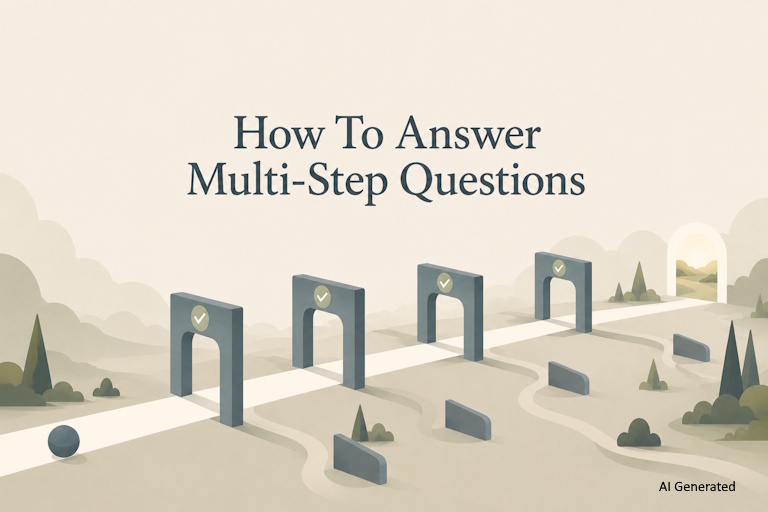
Some exam questions test whether you can apply a defined test in the right order, not just recall a fact. Here is how to spot these multi-step questions, run the test in order, dodge the distractor built to catch you and turn them into reliable marks.
You can know the material cold and still miss the mark, because the answer often hides in one small word. This is the habit of spotting the qualifier words that decide a question, with a three-step reading method you can use on any IAPP paper.
You can spot the right rule, answer it cleanly, and still lose the mark to a second duty stacked underneath. This is the method that catches it: a three-step pause that turns a too-simple-looking stem into a checked one, before you ever read the options.
IAPP exams hide their marks in look-alike answers built to resemble the right one. Here is a calm, repeatable way to separate them: contrast before you choose, name the one deciding detail, and train the habit on confusable pairs well before exam day.
The final week before an IAPP exam is for consolidation, not new material. A calm seven-day routine built on retrieval, targeted repair, logistics and rest, with a note on why a rested reader scores higher.
The topics that feel urgent are rarely the ones that score. This guide explains why foundational domains carry the most reliable marks on any IAPP exam, how to separate exam-stable law from moving news, and a weekly breadth check so no domain goes cold.
The word “Article” in a question stem triggers panic, then memorisation guilt. Both are solvable. The IAPP exam tests four distinct reading modes, not the full text of any regulation. Recognising which mode the stem is in is the practical skill that closes the gap.
GDPR text, EDPB guidelines and CJEU rulings carry different weights on IAPP exam questions. Knowing which source the question is testing improves accuracy across CIPP/E and AIGP. Worked examples cover lawful basis, transfers and automated decision-making, with a CJEU shortlist worth memorising.